Autumn Photography – Light, Color, and Atmosphere
Photo
During Autumn of 2025 I had a few photographic session in Frankfurt (Germany), mainly at the Botanical Garden and the forest south of Sachsenhausen. First you can see the collection photos and inmediately after there are some tips and ideas on Autumn photos.
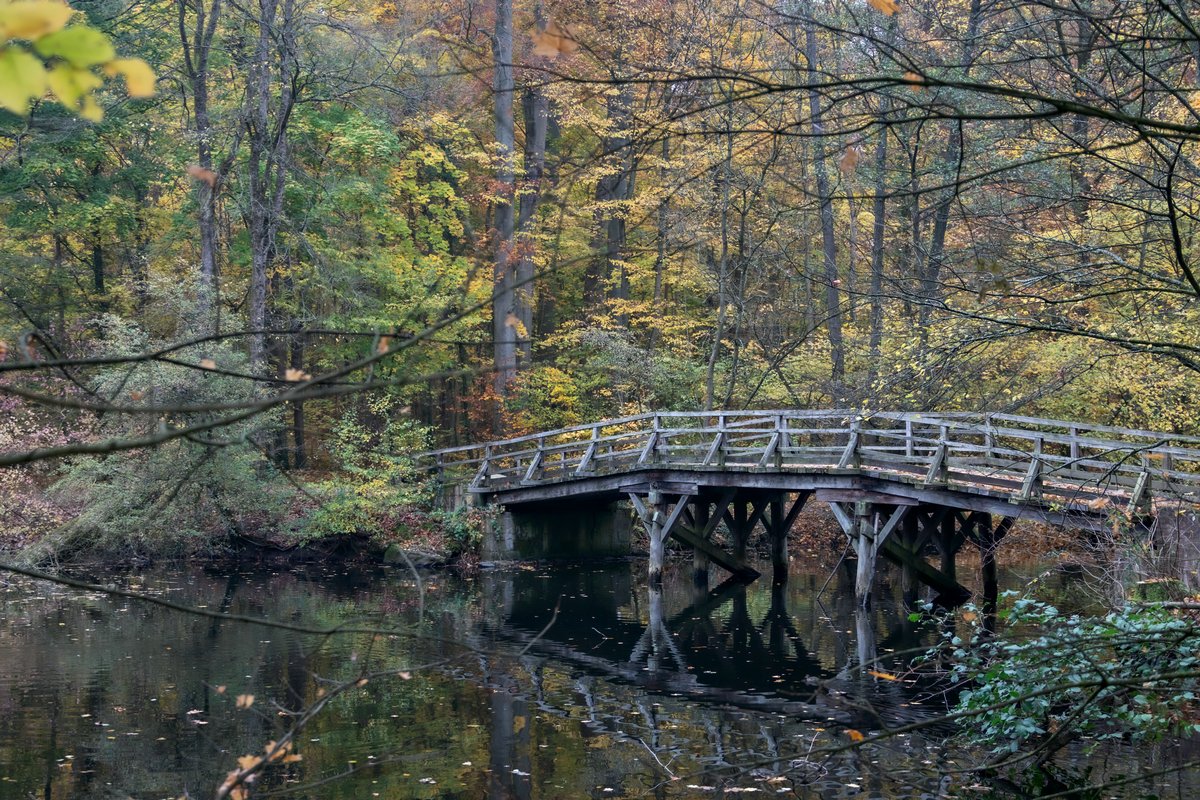
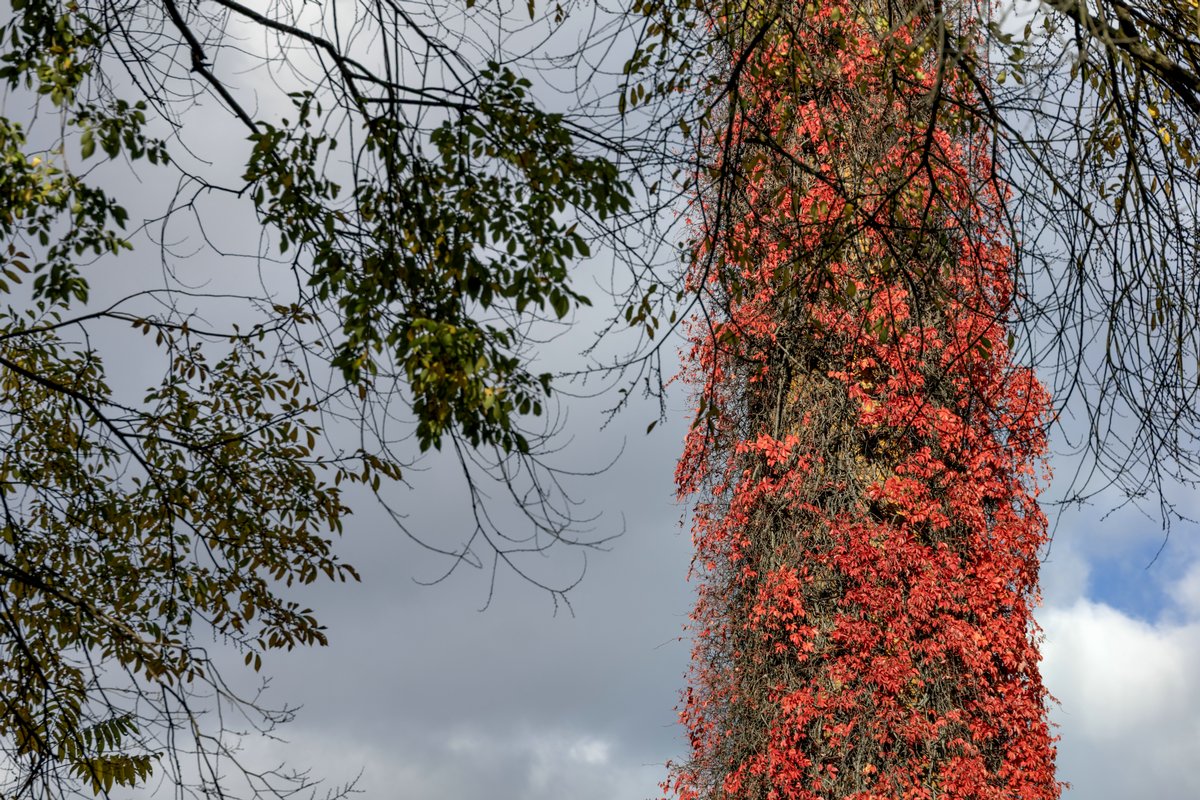
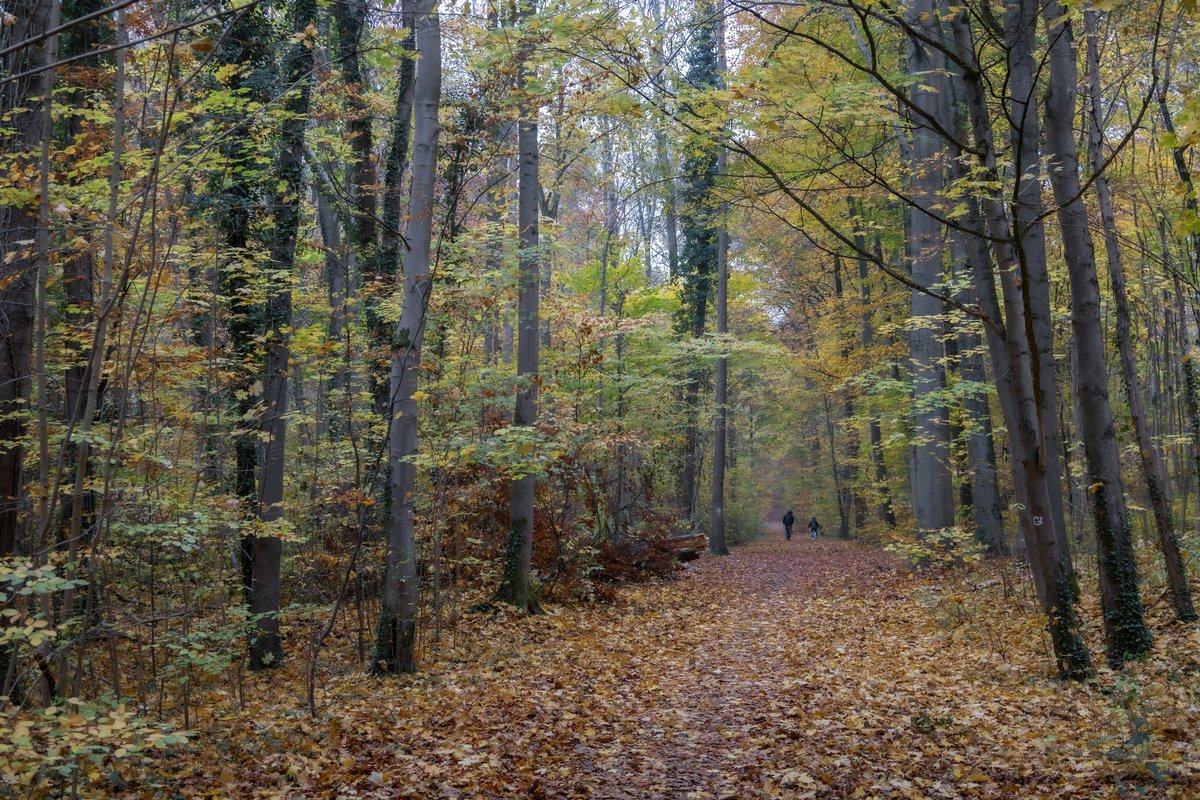
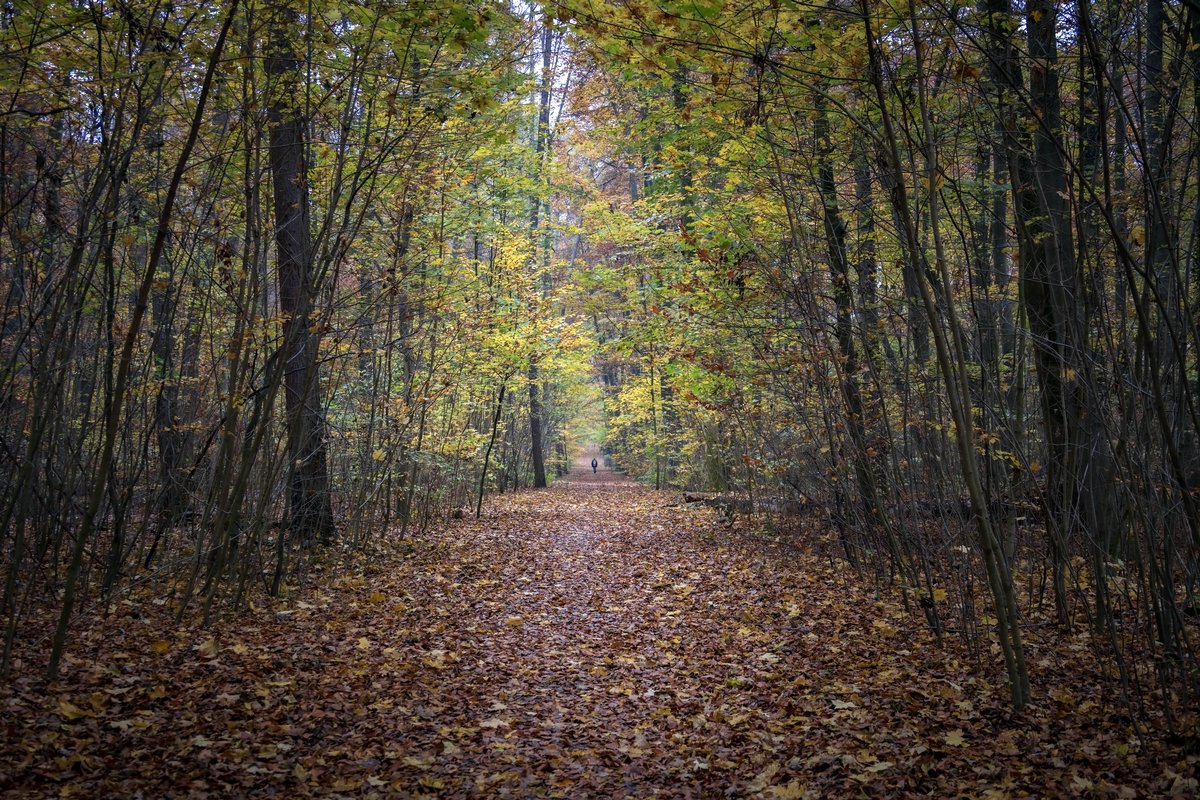
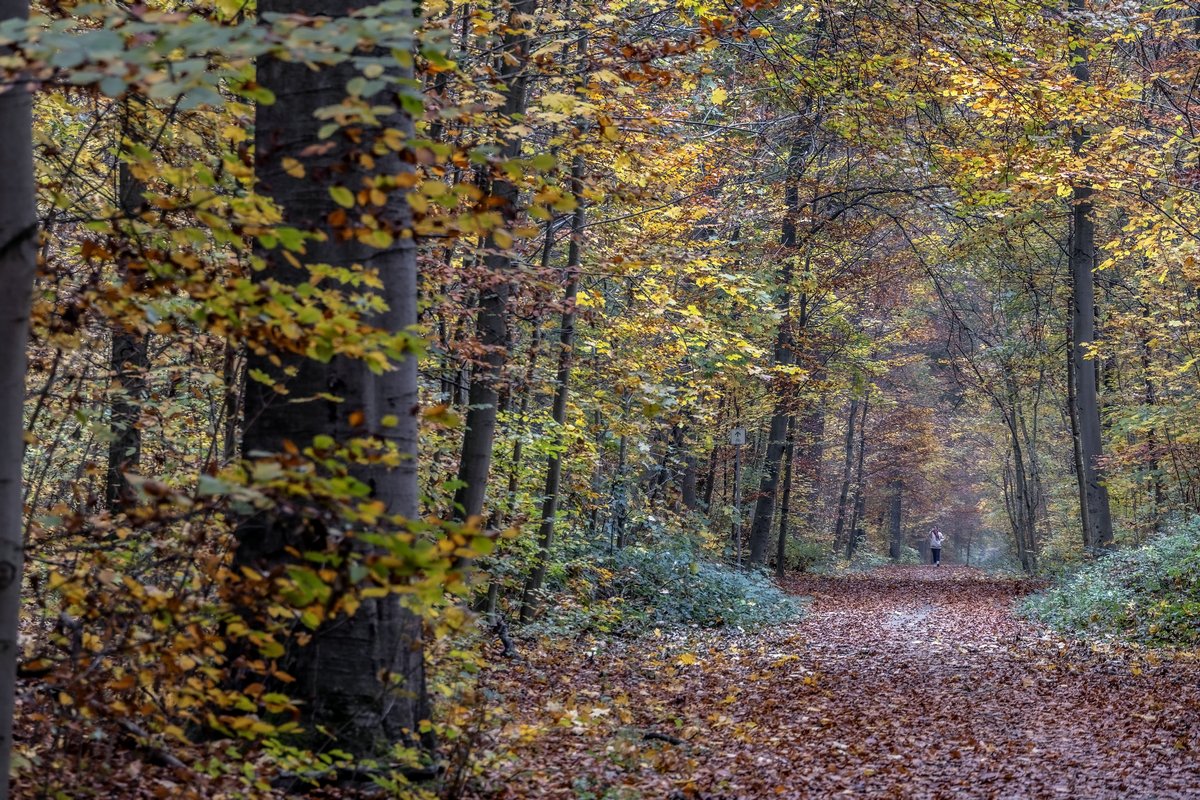
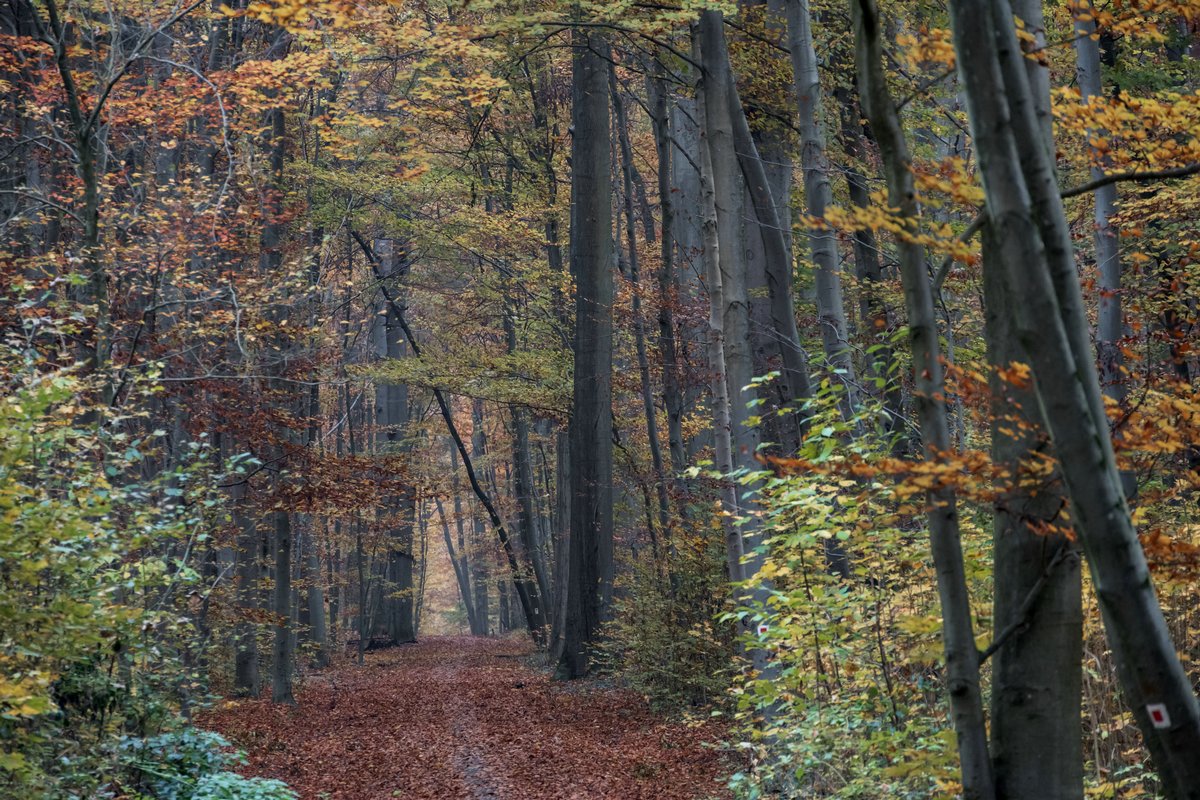
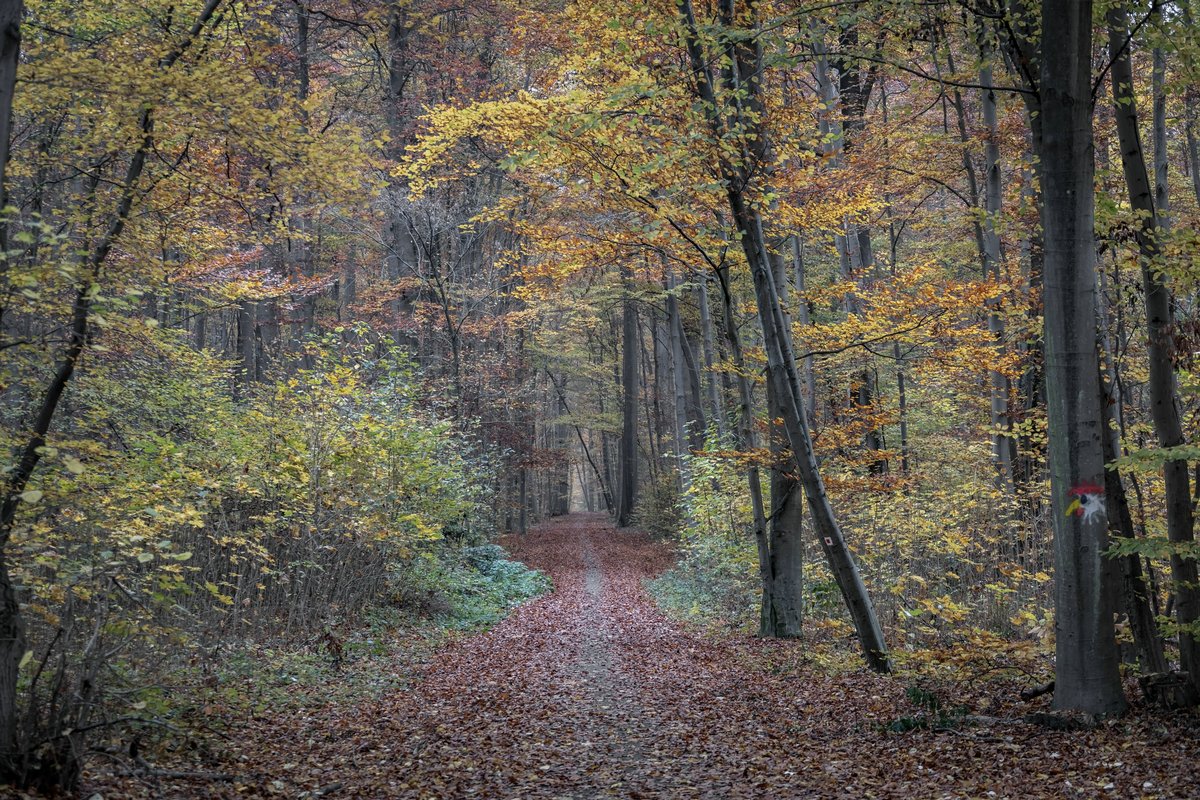
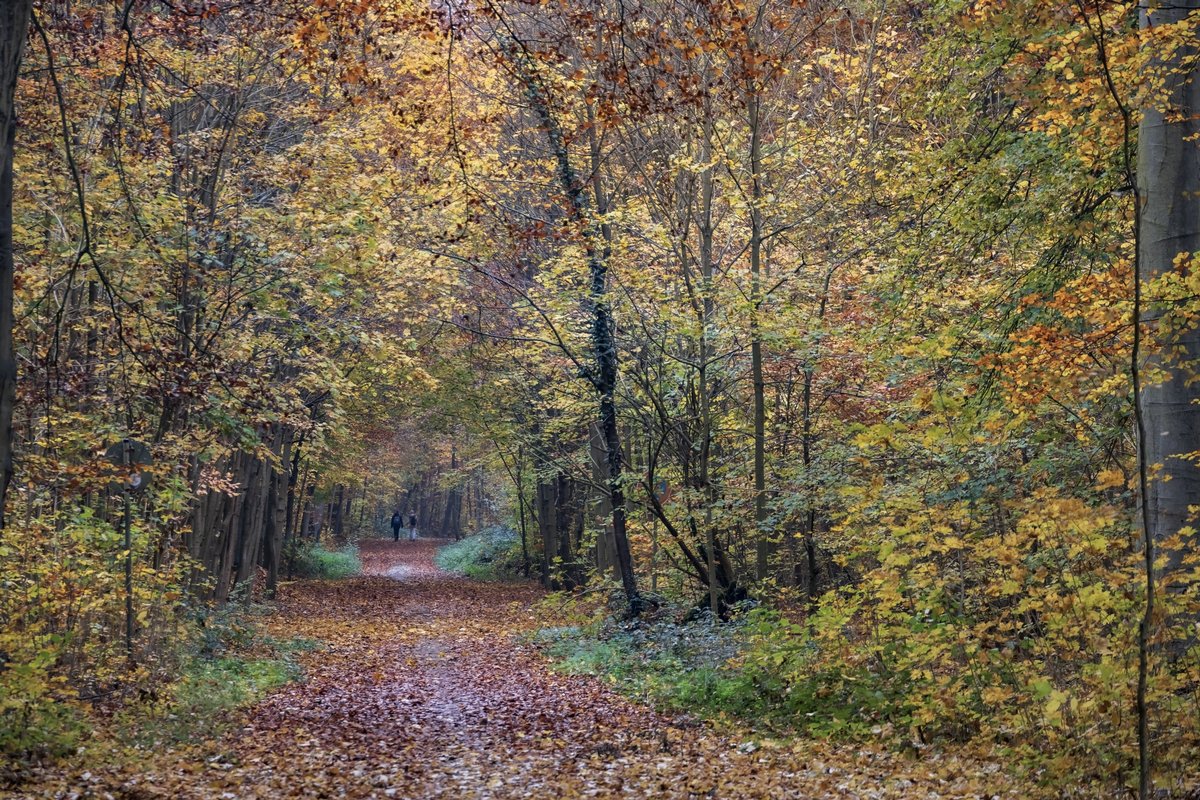
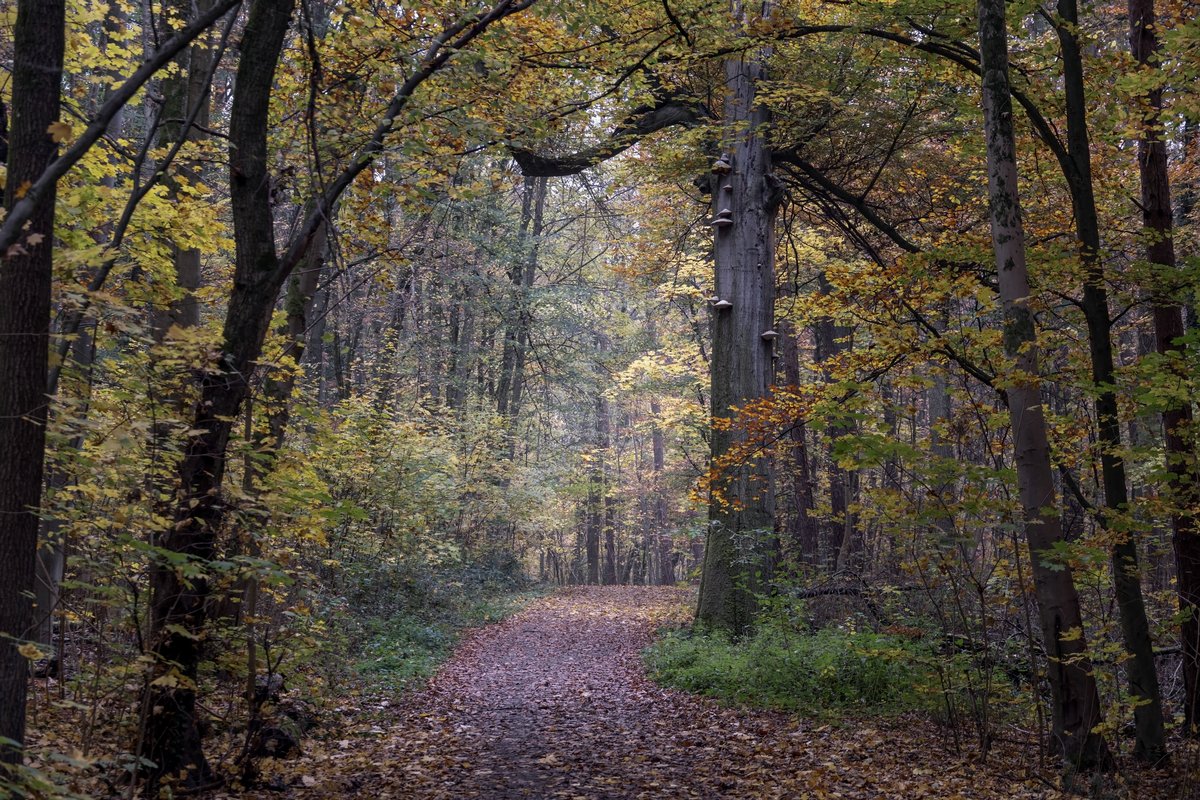
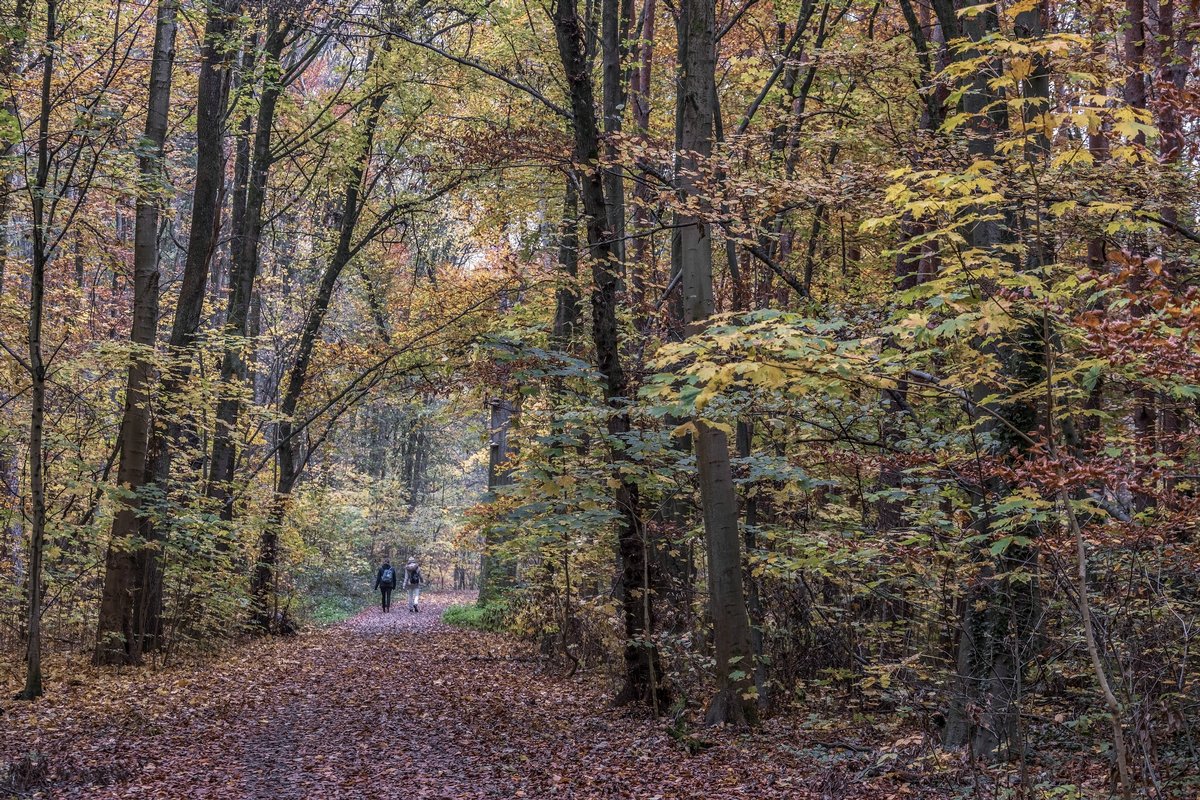
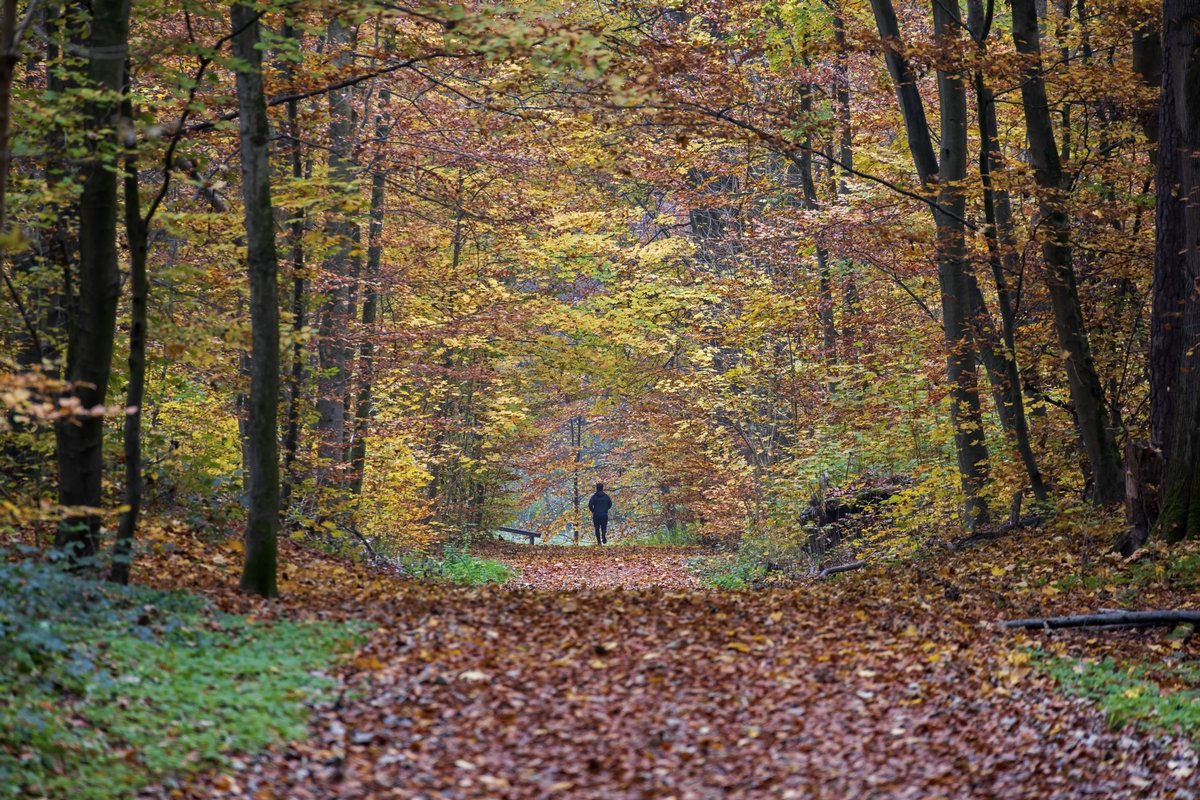
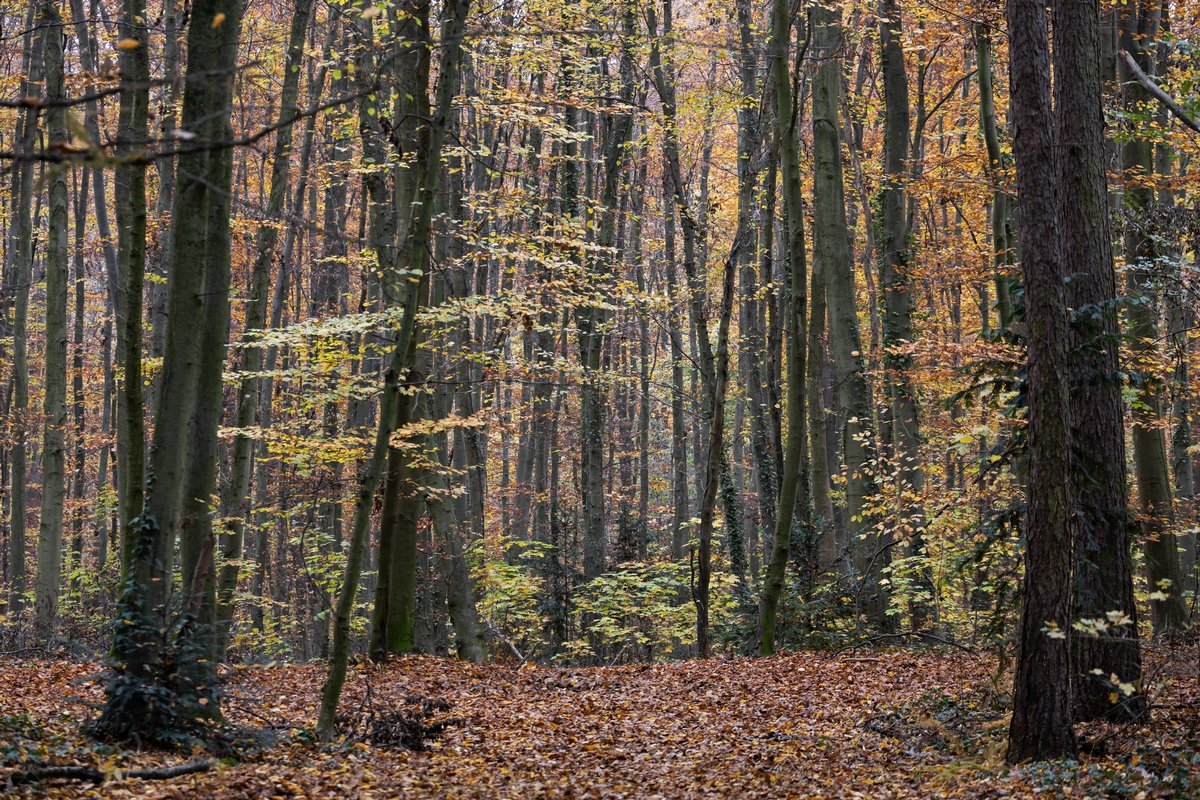
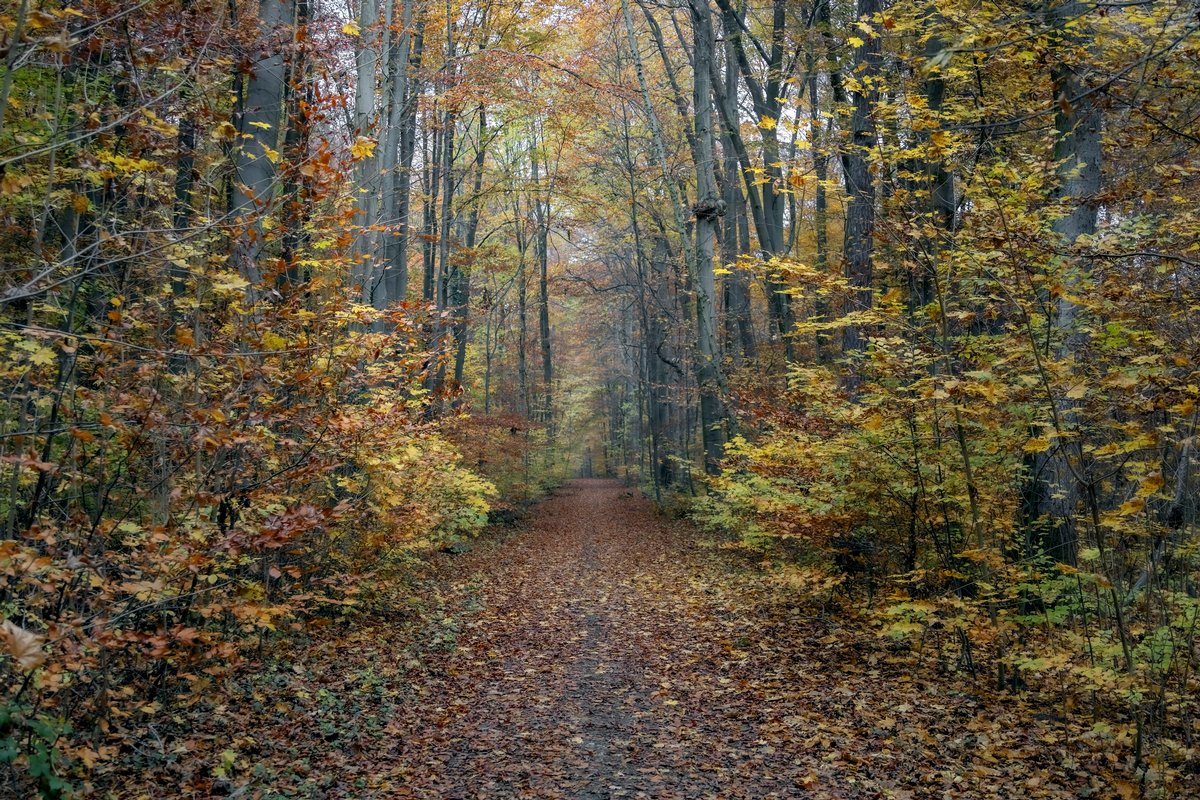
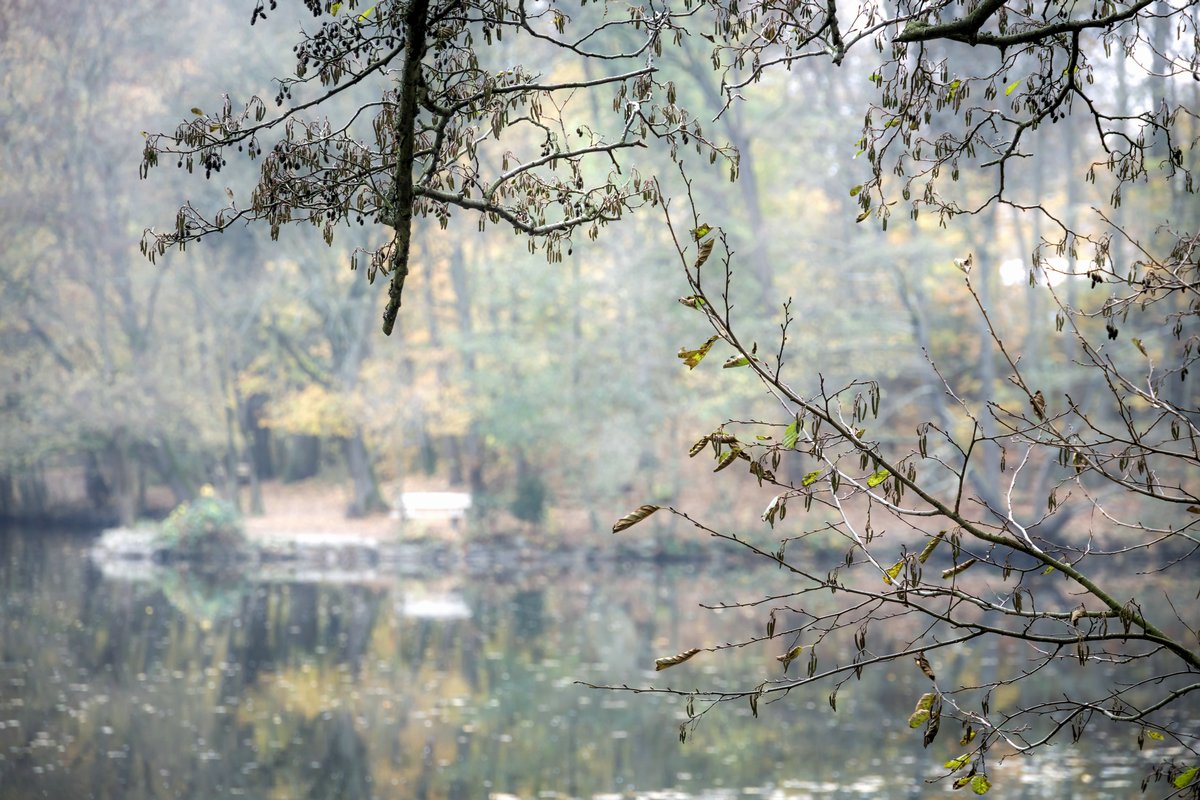
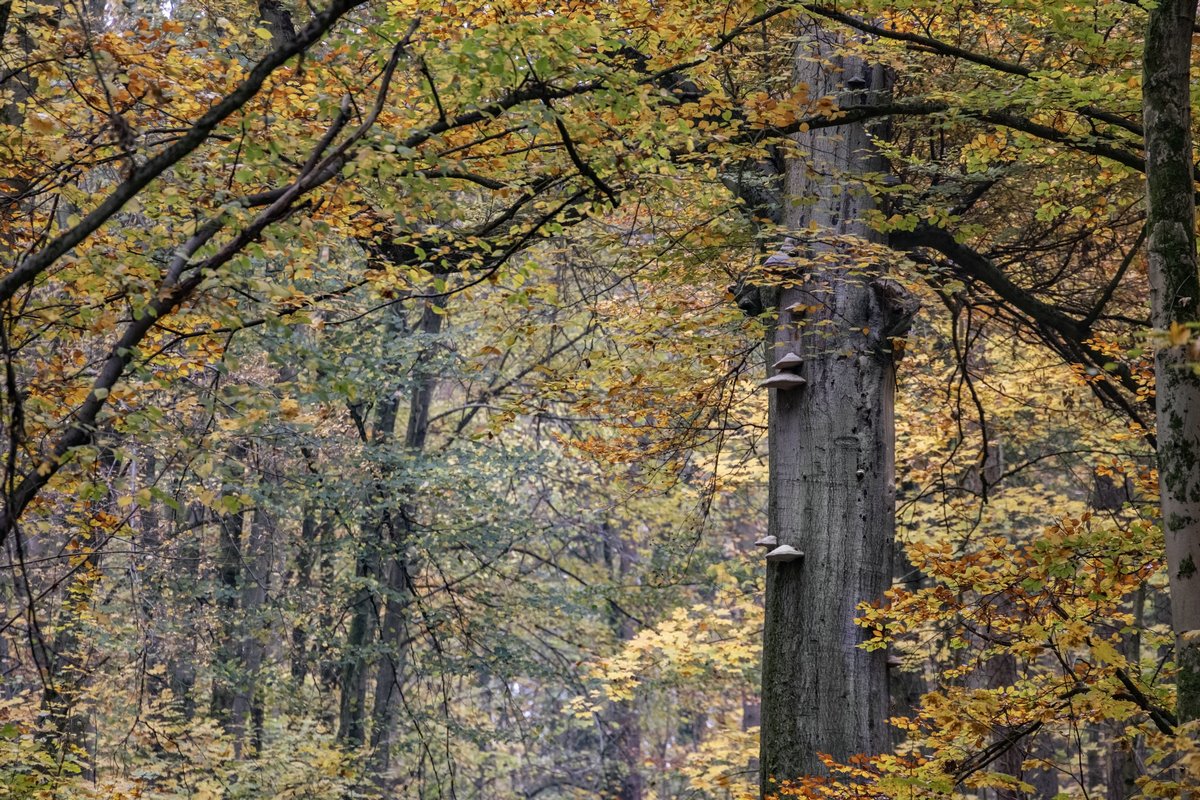
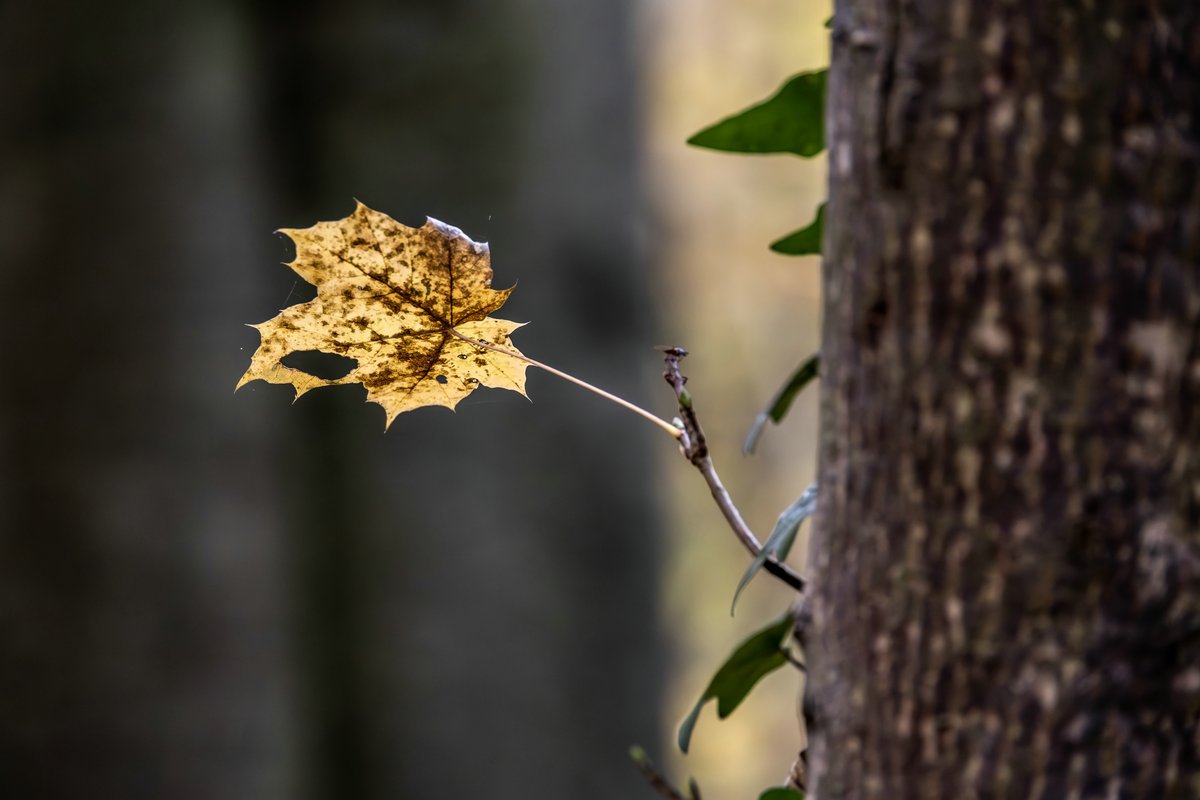
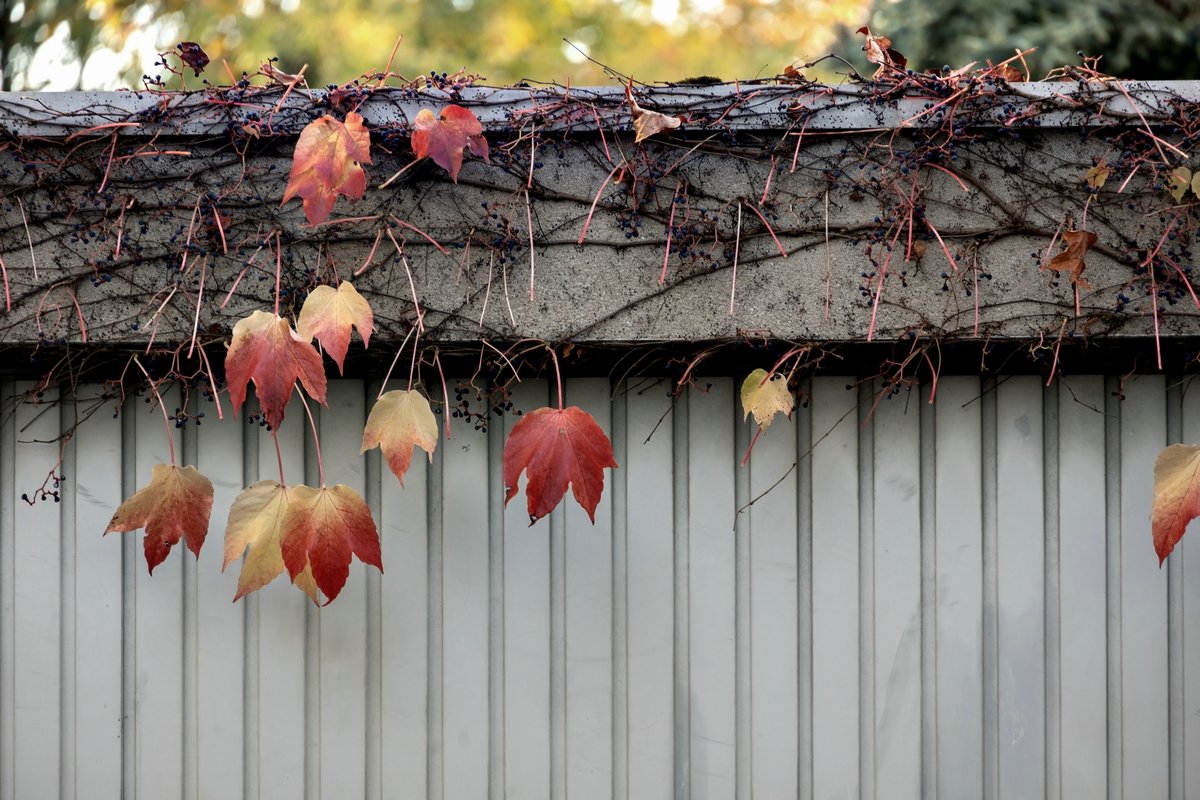
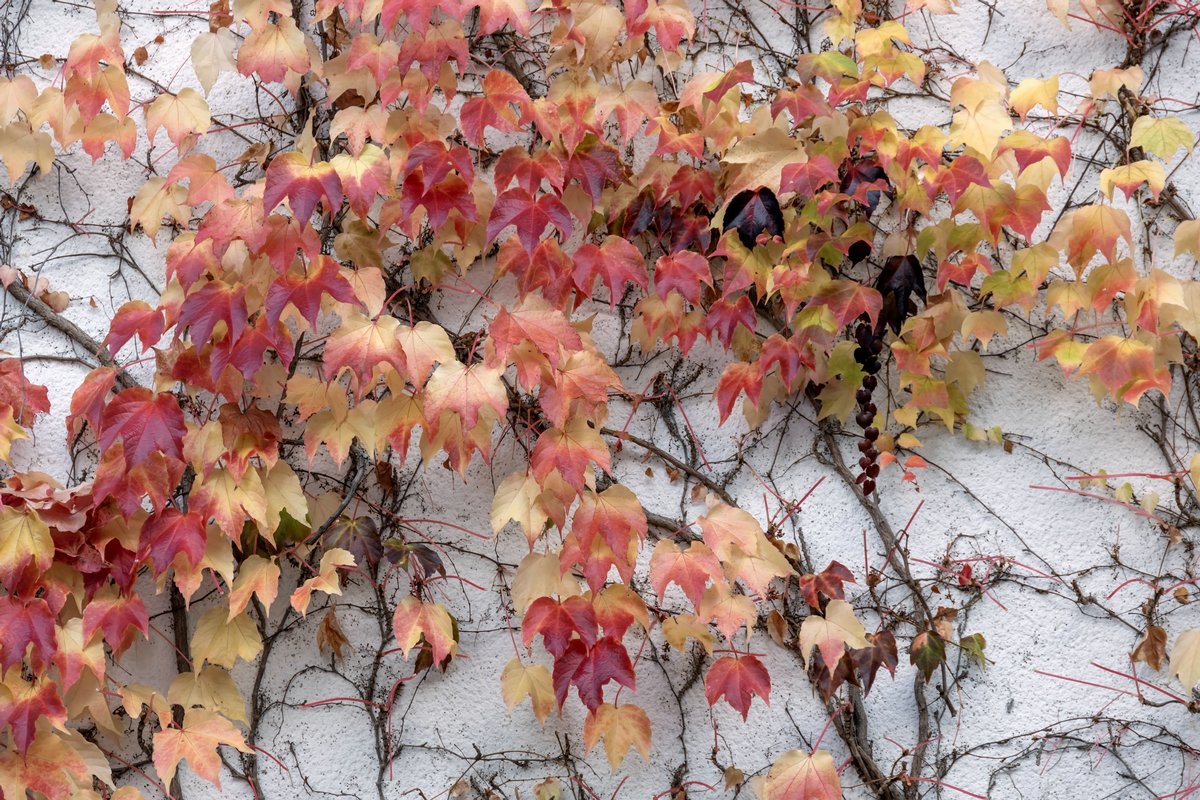
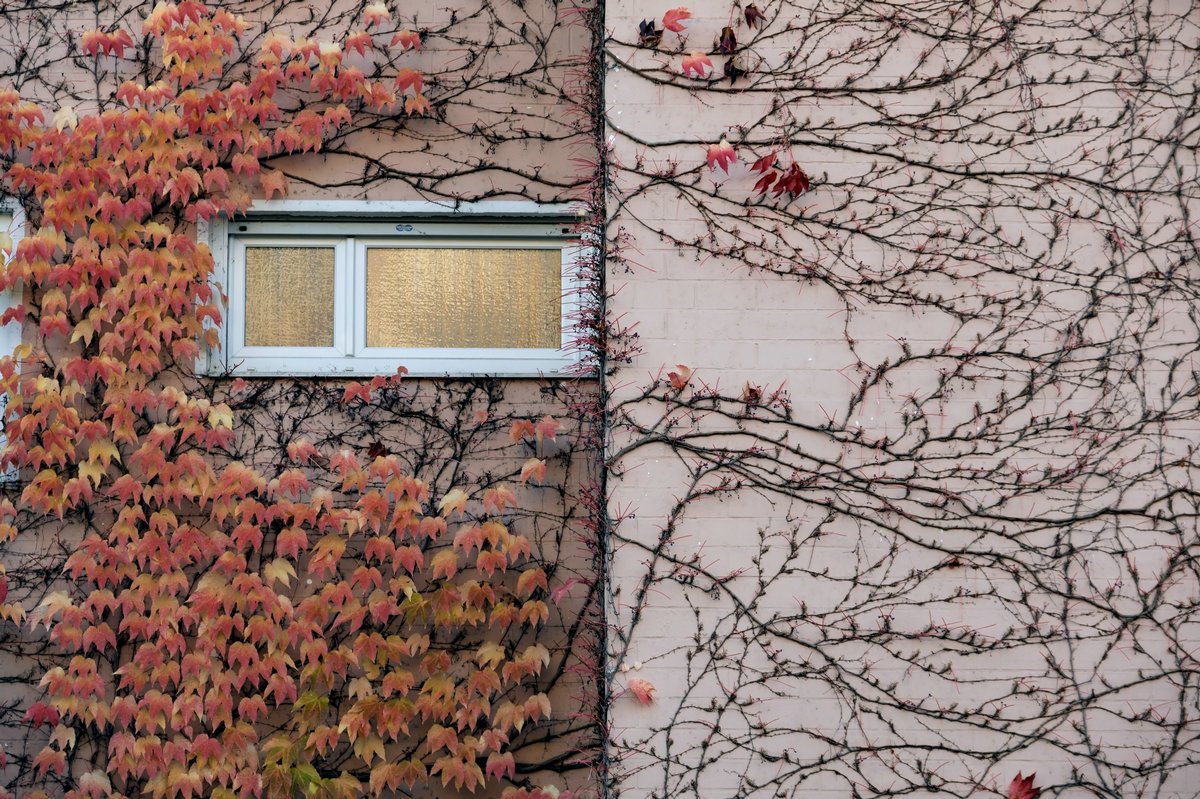
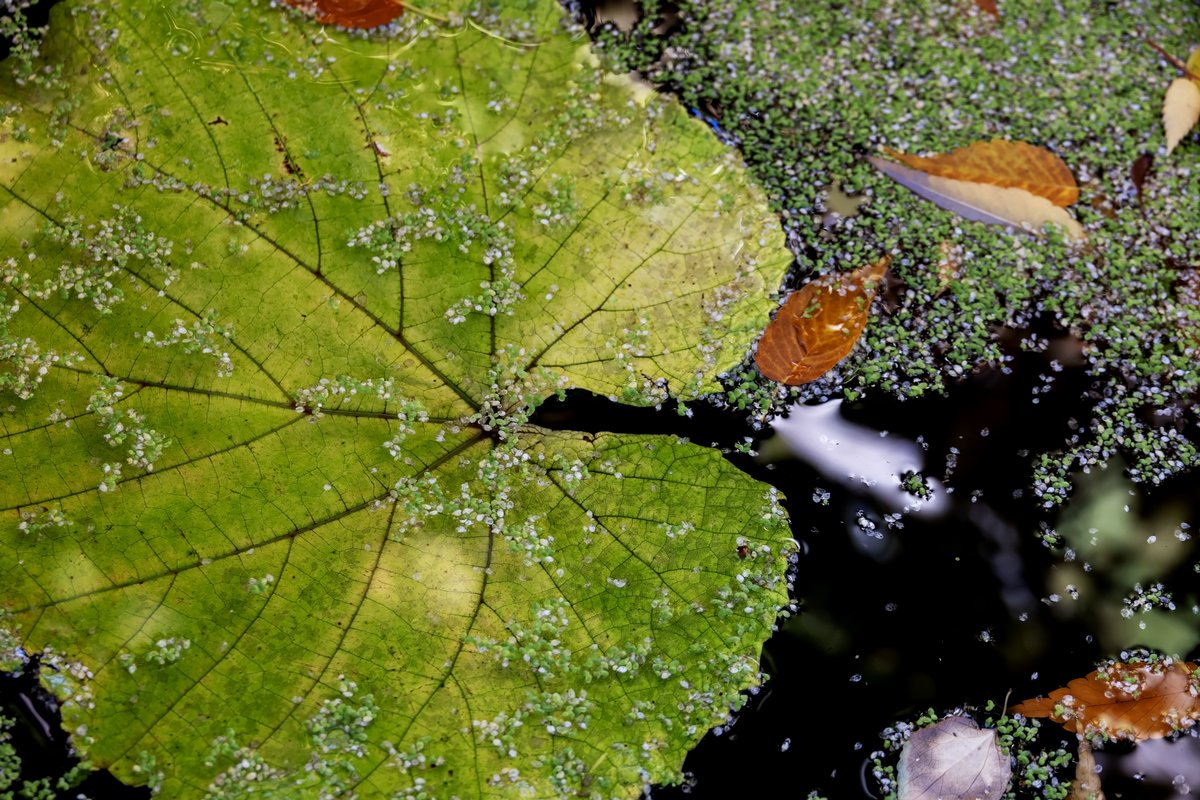
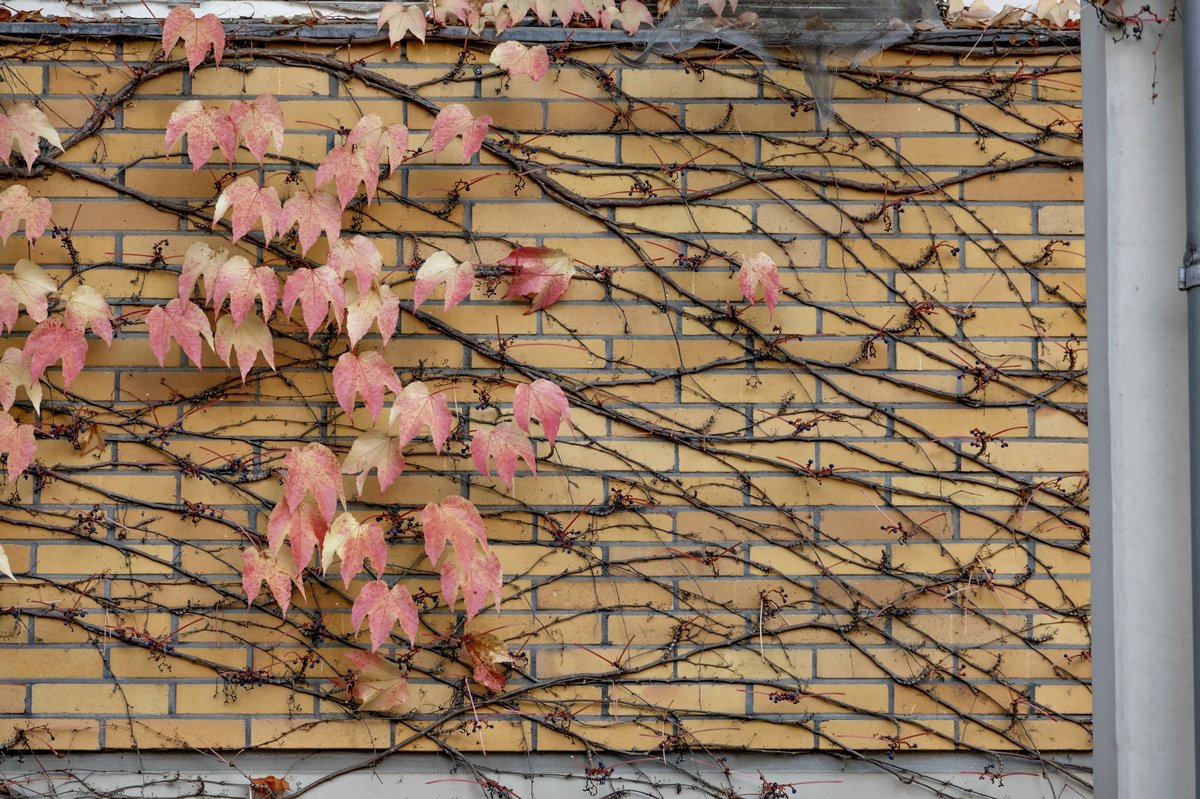
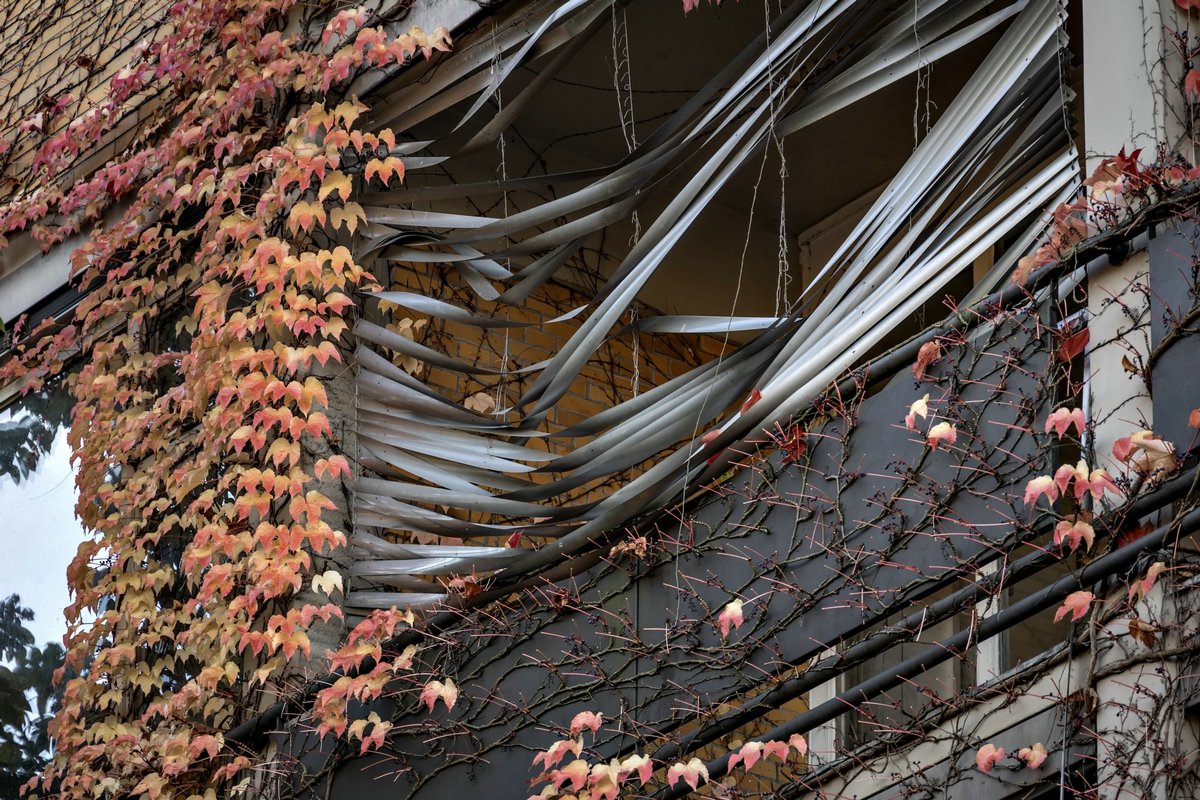
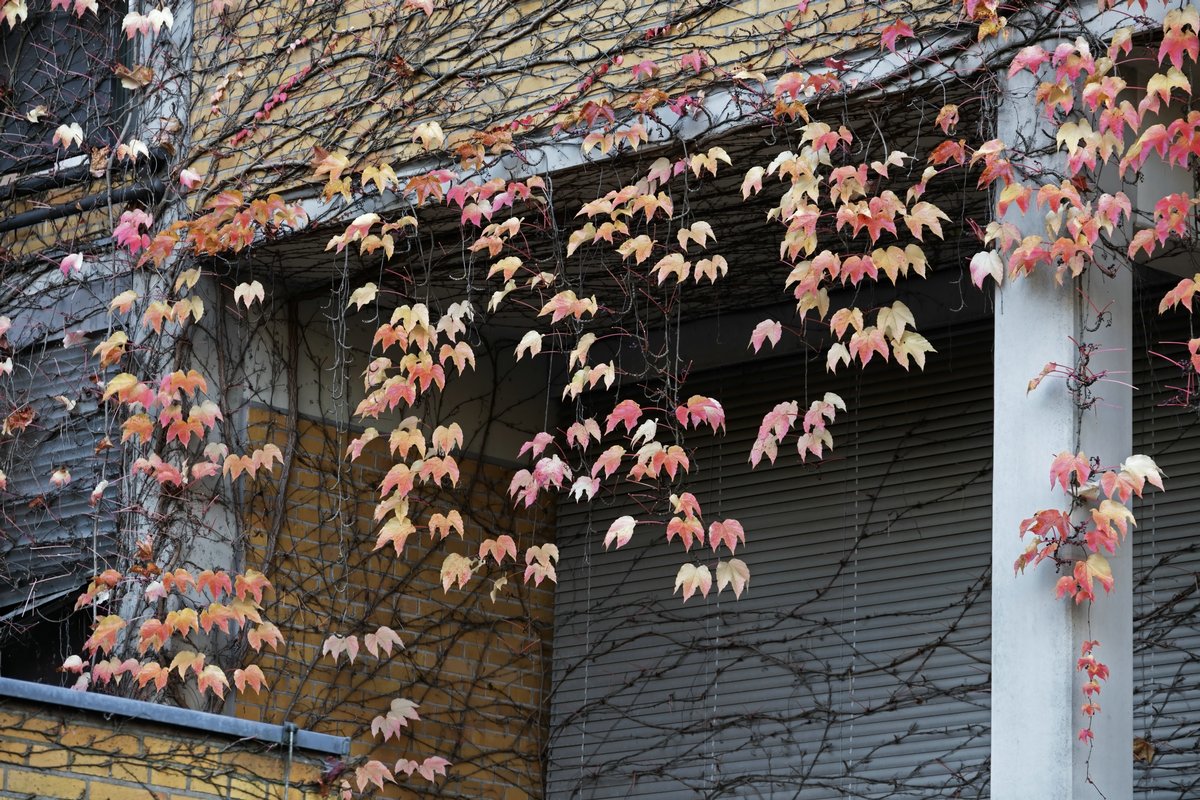
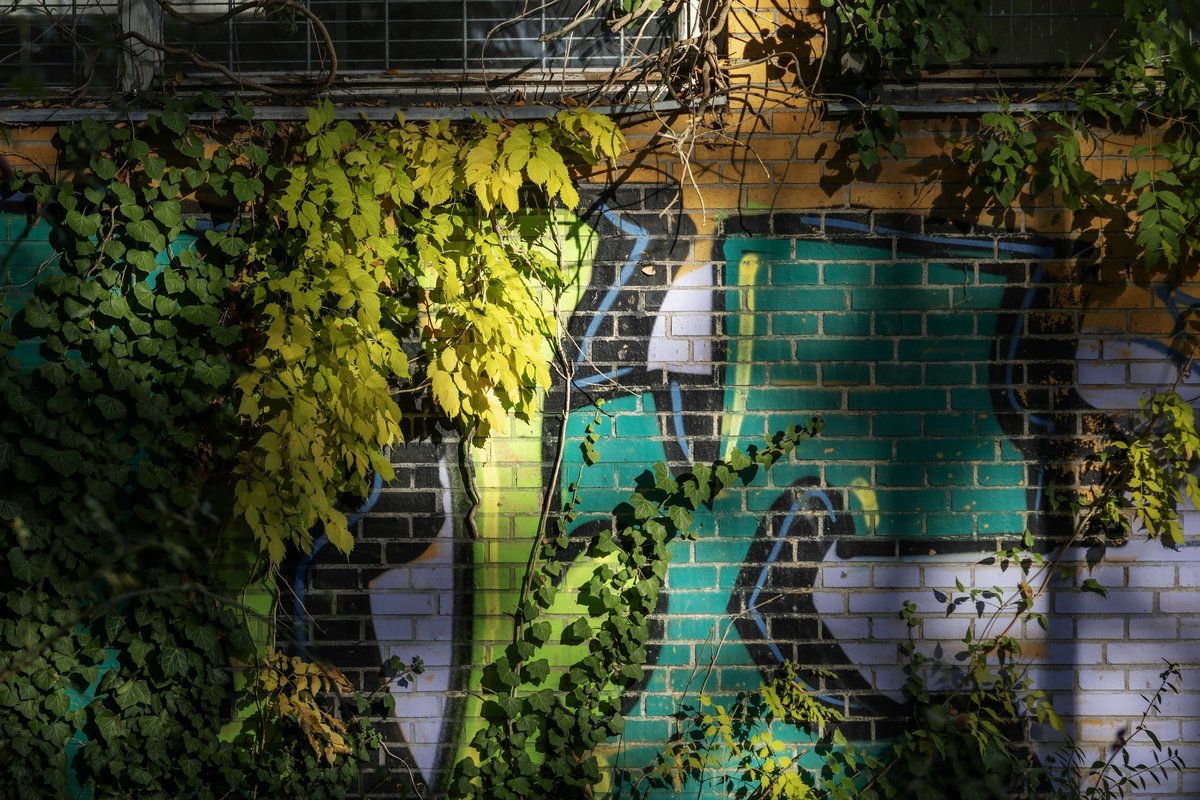
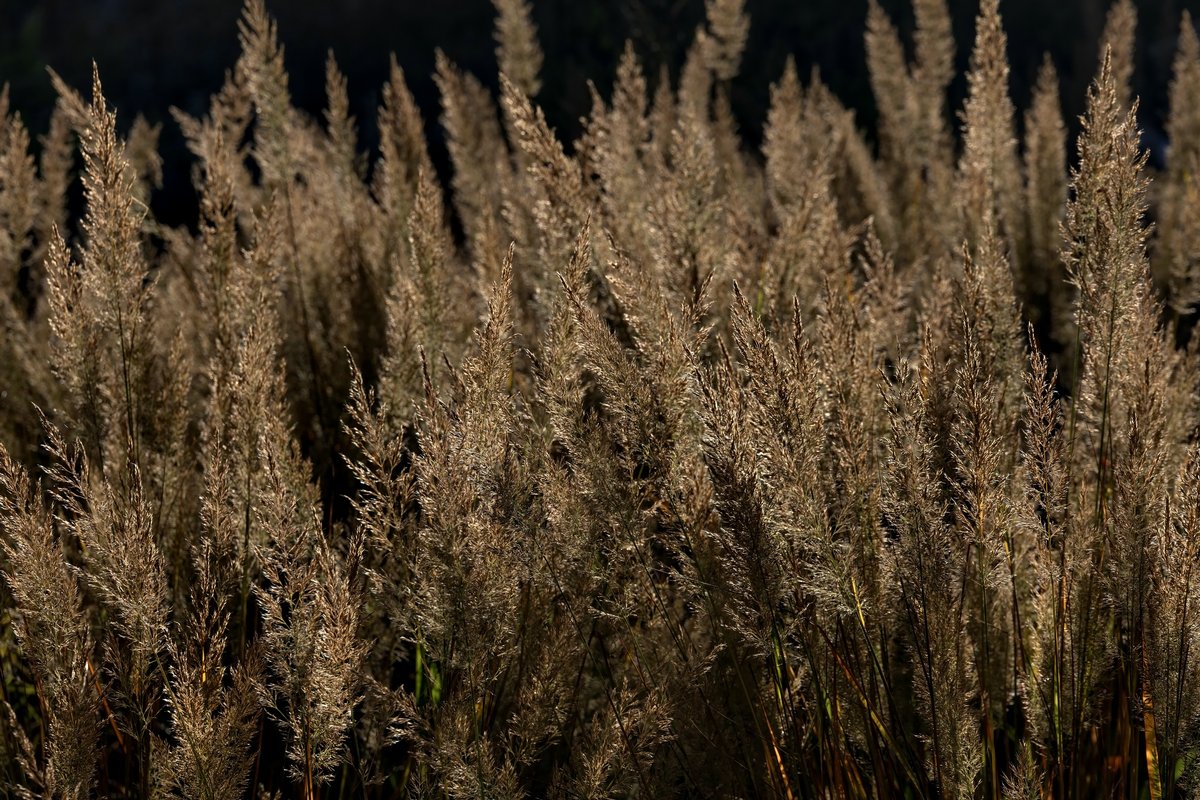

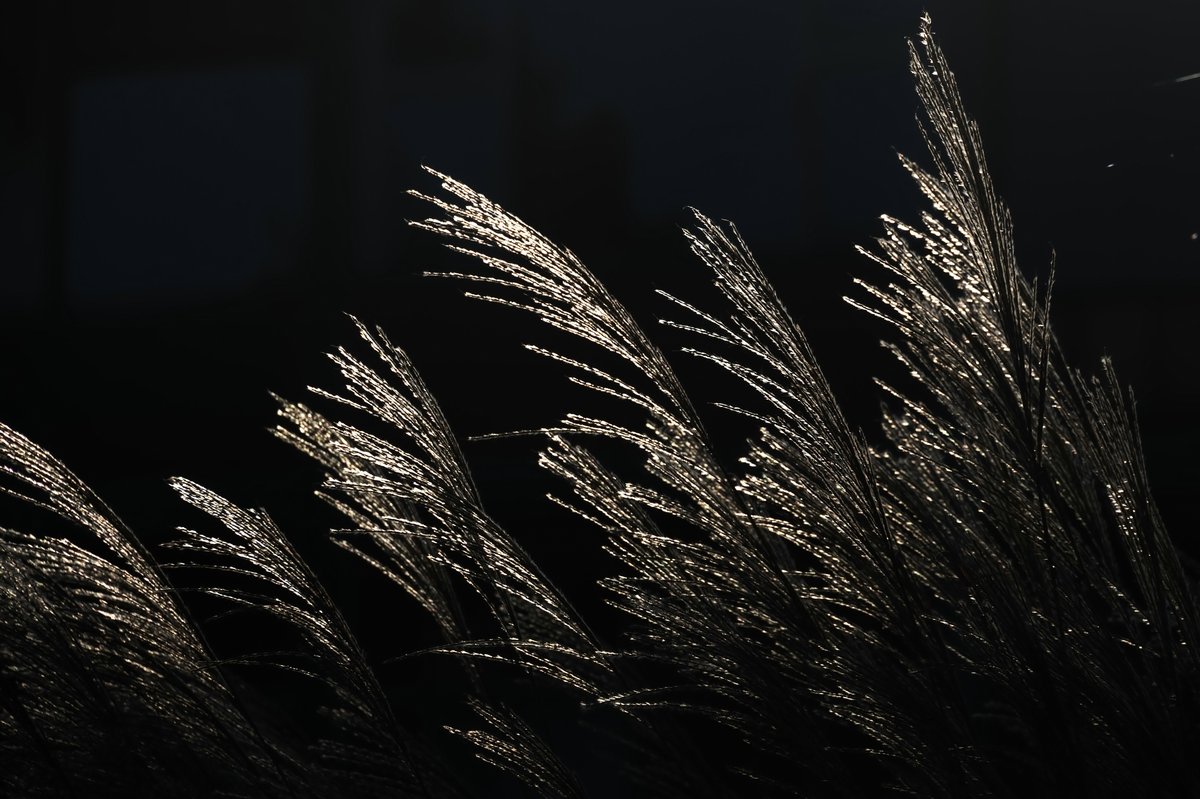
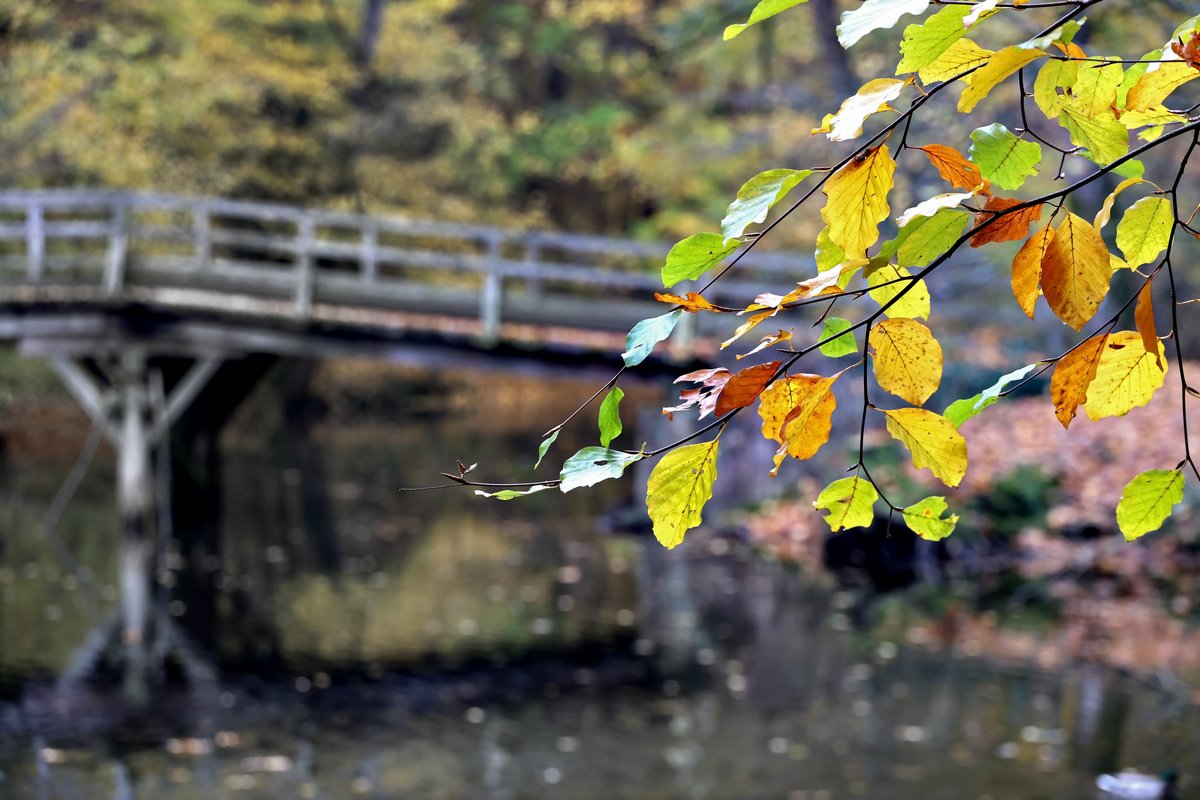
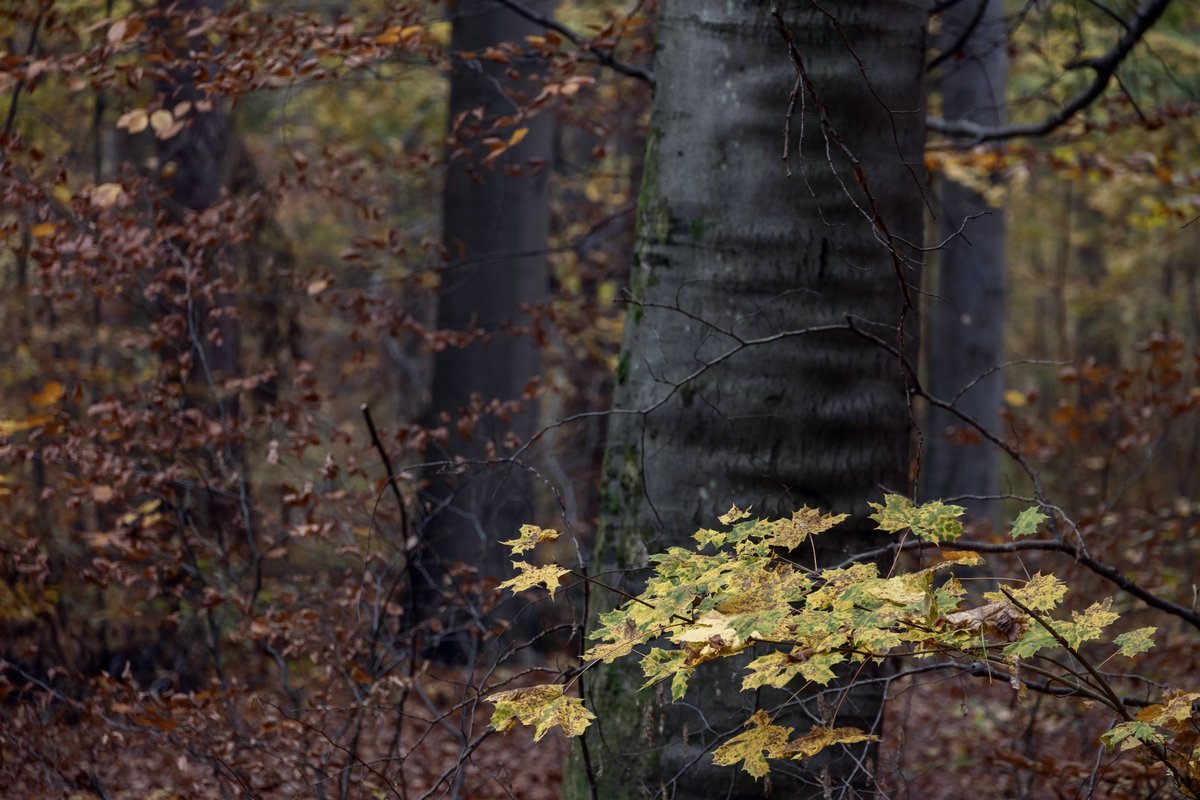
Autumn ranks among the most visually rewarding seasons for photography. The light softens and shifts, colors intensify, and even familiar locations take on new emotional weight. This collection explores autumn scenes where light, color, and timing converge naturally—without artifice or exaggeration.
Why Autumn Transforms Photography
Autumn creates a unique convergence of visual conditions. The sun’s lower angle produces directional light throughout the day, not just at golden hour. Trees and vegetation introduce organic color contrast, while fog, rain, and cool mornings layer scenes with depth and texture. Whether you’re shooting landscapes, urban environments, or forests, these seasonal shifts elevate every subject.
Chase Light Before Color
The strongest autumn photographs prioritize light over color. Early morning and late afternoon light sculpts dimension into trees and terrain, separating planes and adding volume. Backlighting transforms leaves into luminous subjects, while slightly overexposing foliage often yields more natural-looking results than strict exposure. There are good example in the gallery above.
On overcast days, you gain rich, saturated color without the penalty of harsh contrast.
Control White Balance to Preserve Warmth
Auto white balance frequently strips away the warmth that defines autumn’s visual character. Setting your camera to Daylight or Cloudy white balance maintains natural color temperature and ensures consistency across a series. Shooting in RAW format gives you latitude for precise adjustments in post-processing without degrading color integrity.
Simplify Your Compositions
Autumn’s visual abundance can overwhelm a frame. Anchor your composition around a single subject, a limited color palette, or repeating patterns. Paths, fences, and tree lines function effectively as leading lines. When scenes feel chaotic, use shallow depth of field to isolate specific details and create visual breathing room.
Expand Beyond Traditional Landscapes
Autumn photography extends far beyond sweeping forest vistas. Ground-level details—fallen leaves, bark textures, reflected patterns—often make stronger images than wide shots. Urban scenes gain new character from seasonal light and color, and including human figures can introduce scale and narrative dimension to your work.
Practical Camera Settings for Autumn Work
For landscapes requiring front-to-back sharpness, apertures between f/8 and f/11 deliver optimal clarity and depth. For isolated details, wider apertures from f/2 to f/4 help simplify busy backgrounds. Keep ISO as low as conditions allow to preserve color fidelity, and use a tripod in low-light or fog conditions to maintain sharpness at slower shutter speeds.
Edit with Precision and Restraint
Autumn photographs respond best to subtle post-processing. Increase contrast deliberately rather than aggressively. Adjust individual color channels instead of pushing global saturation. Protect shadow detail rather than crushing it. Natural autumn color feels rich and nuanced—not artificially intensified.
I have noticed that dense folliage often benefits from reducing local contrast or sharpness. A negative “texture” setting in Photoshop helps softening the focus in areas of little importance.
Closing Perspective
This autumn photography collection centers on atmosphere, light, and compositional clarity. Autumn already delivers powerful visual elements. Your role is to observe attentively, respond to what the season offers, and allow those inherent qualities to shape your images. The best autumn photographs don’t force the season into predetermined ideas—they reveal what’s already there.