Generative art. Deconstructed image explained in a simple way
Deconstructed
Deconstructed image is a novel generative art concept. It starts with a pre-existing artwork in digital form, i.e. formed by pixels. Then the pixel positions are rearranged with one simple goal: seeking harmony by placing similar colors together.
From a creative perspective, deconstructed image explores the nature of information itself. What makes a piece of art special or beautiful? Our visual system is wired to seek patterns and recognize shapes. Out of countless possible ways to arrange pixels, something in the image on the left (Starry Night from Van Gogh) captures our attention and evokes admiration. What makes that arrangement stand out—and could there be others that we would find equally beautiful? Deconstructed image is an effort to take the same exact constituents of the original image and arrange them into other patterns that still express beauty.
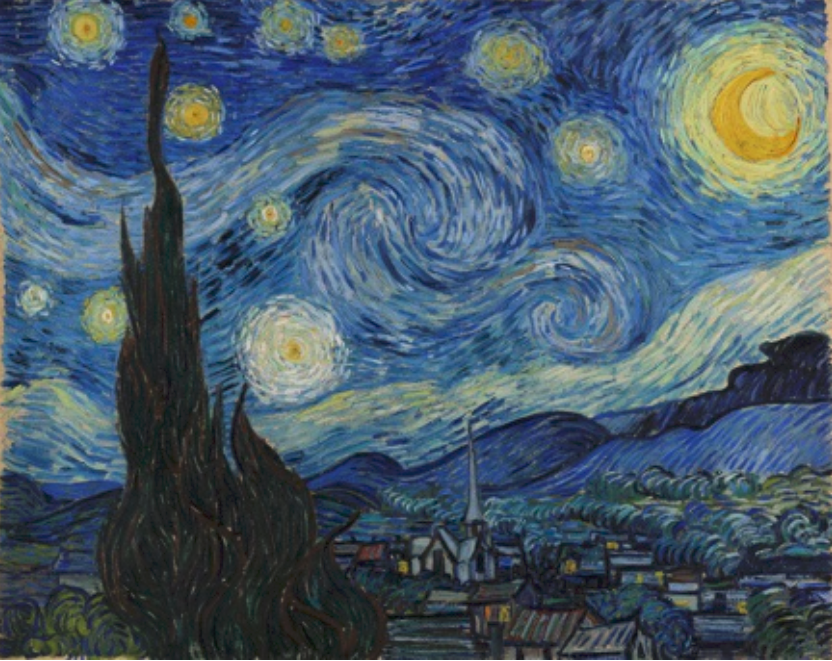
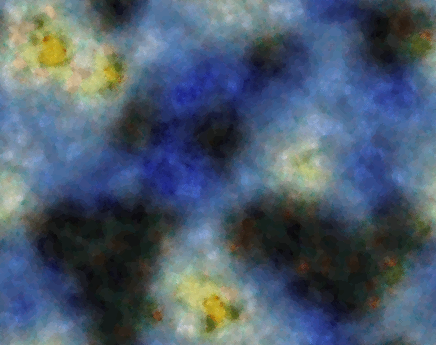
From an aesthetic perspective the deconstruction process creates beautiful images. The smoother the rearrangement of the pixels, the more beautiful the images are, and the more rare those cases are. Smoother rearrangements are more difficul to get.
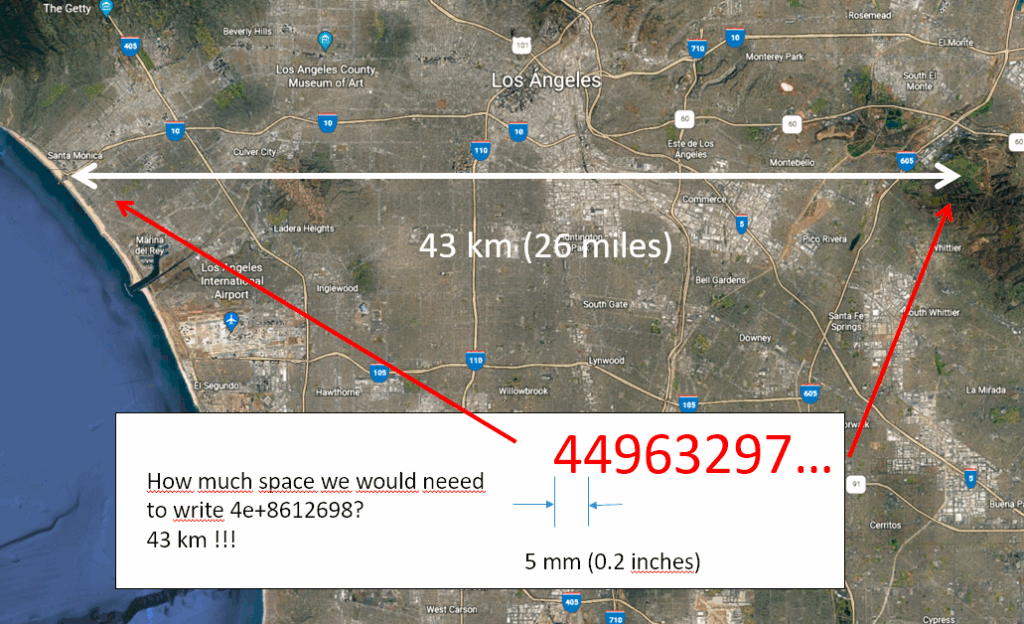
From an algorithmic point of view, the deconstruction process is incredibly challenging. The algorithm must search among all possible pixel combinations and that number is so large, that even the number of atoms in the universe looks lilke an absolutely minuscule number. For a 1.5 Mpix image, the number of possibilities is 4e8612698. This number has 8,612,698 digits !!! We would need the whole metropolitan area of Los Angeles, just to write it:
This is a video of the deconstruction process in play:
More content: